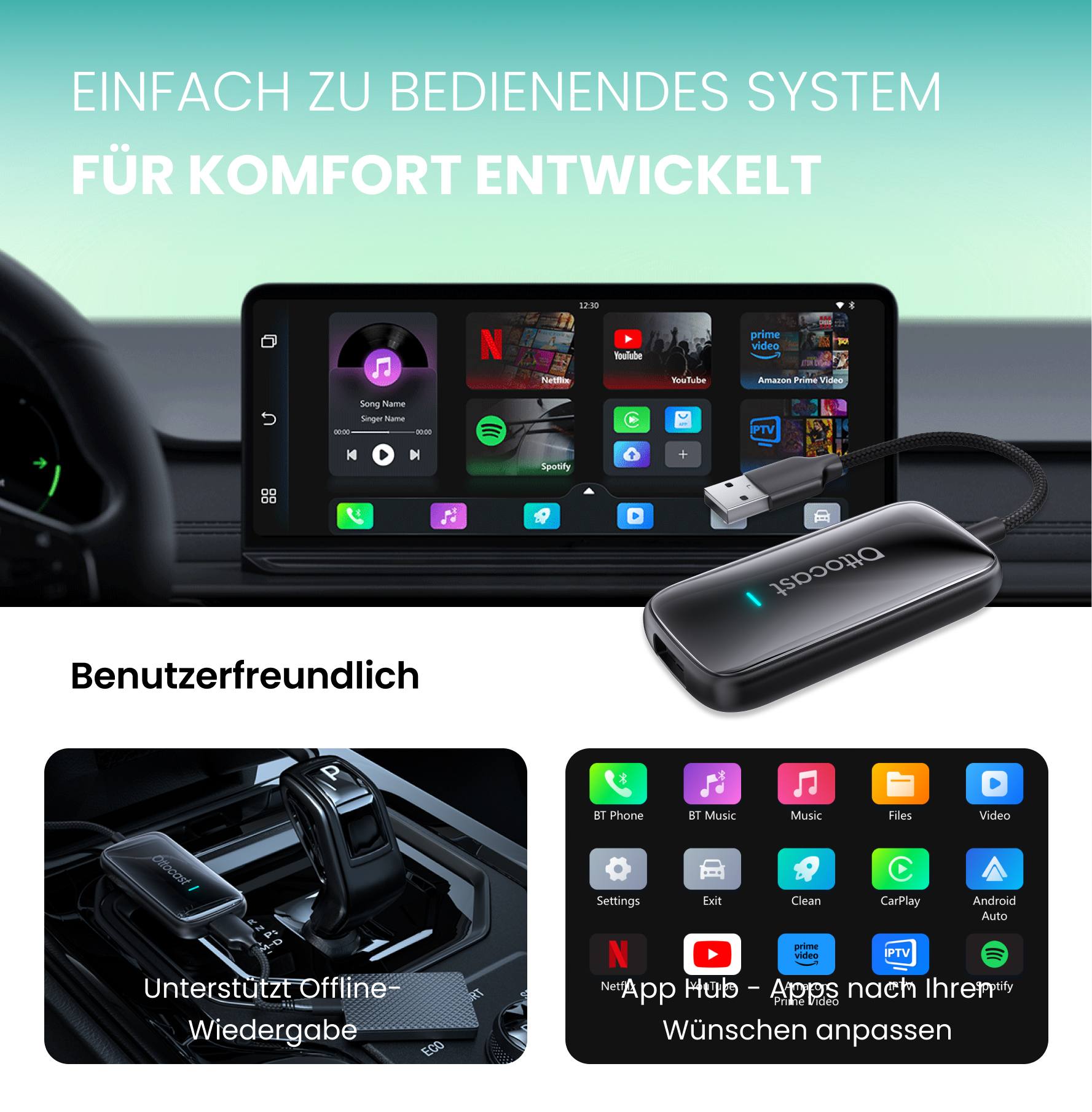
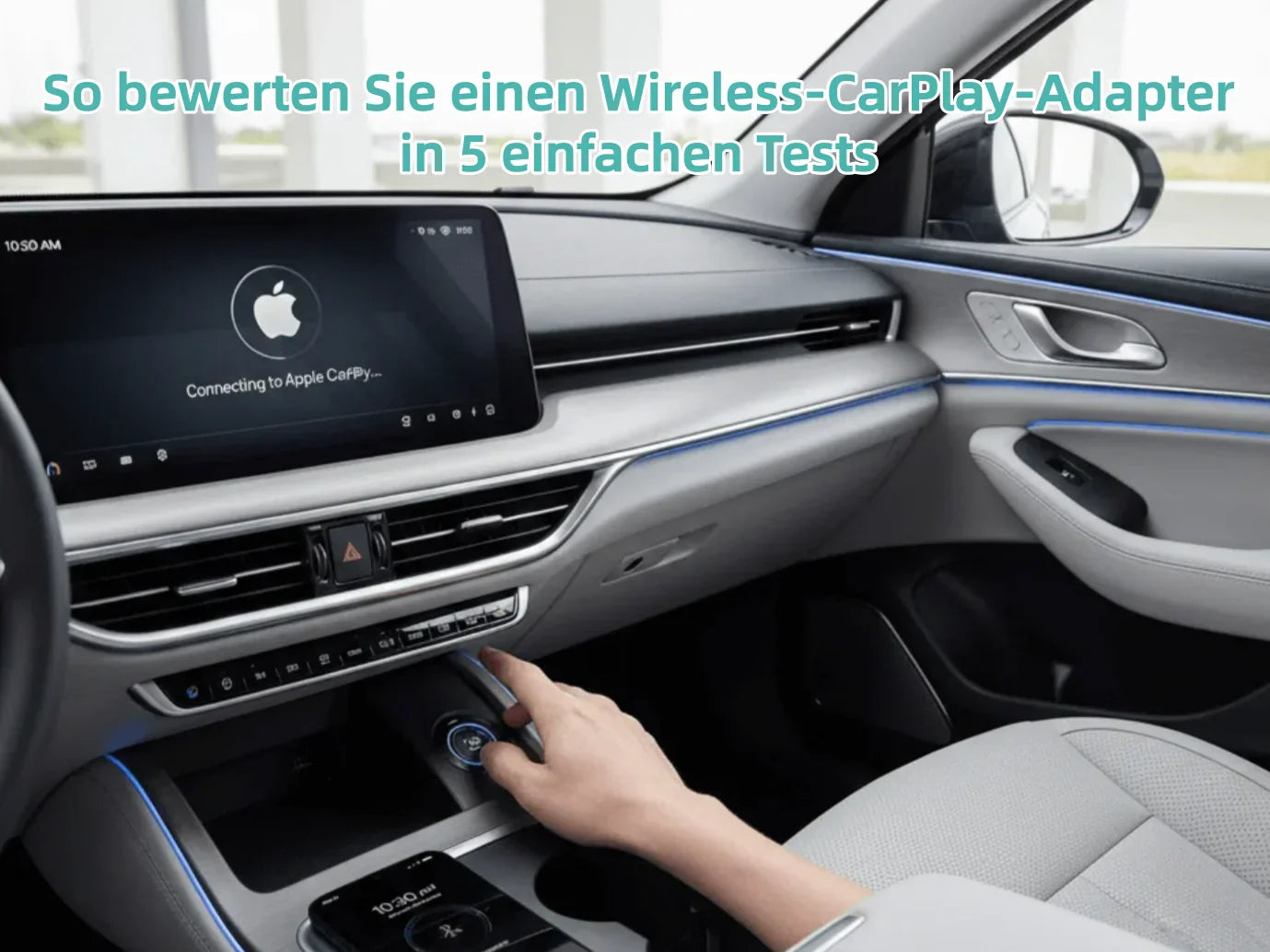
The ability to properly test a wireless CarPlay adapter determines whether or not you choose it. With the right evaluation criteria, you can find a model that works smoothly, connects quickly, and transmits audio reliably. Below, we present five quick and easy tests you can use to evaluate any wireless CarPlay adapter.
Step 1: Test connection speed (Wireless CarPlay adapter)
One of the first impressions is the pairing speed after starting the car. Sometimes pairing takes noticeably longer – especially annoying when you're in a hurry. Therefore, measure the time from ignition until the CarPlay interface appears on the display.
Setting up a fresh test environment:
Remove any old Bluetooth pairings from your iPhone and plug in the adapter. Enable Bluetooth and Wi-Fi, as most adapters use these wireless connections for operation. Start the measurement: How many seconds does it take for CarPlay to load automatically?
With a high-quality wireless CarPlay adapter, this should take approximately 5–10 seconds. If the time is significantly longer, it could indicate firmware issues or weak signal integration. Repeat the test at least three times to obtain consistent results.
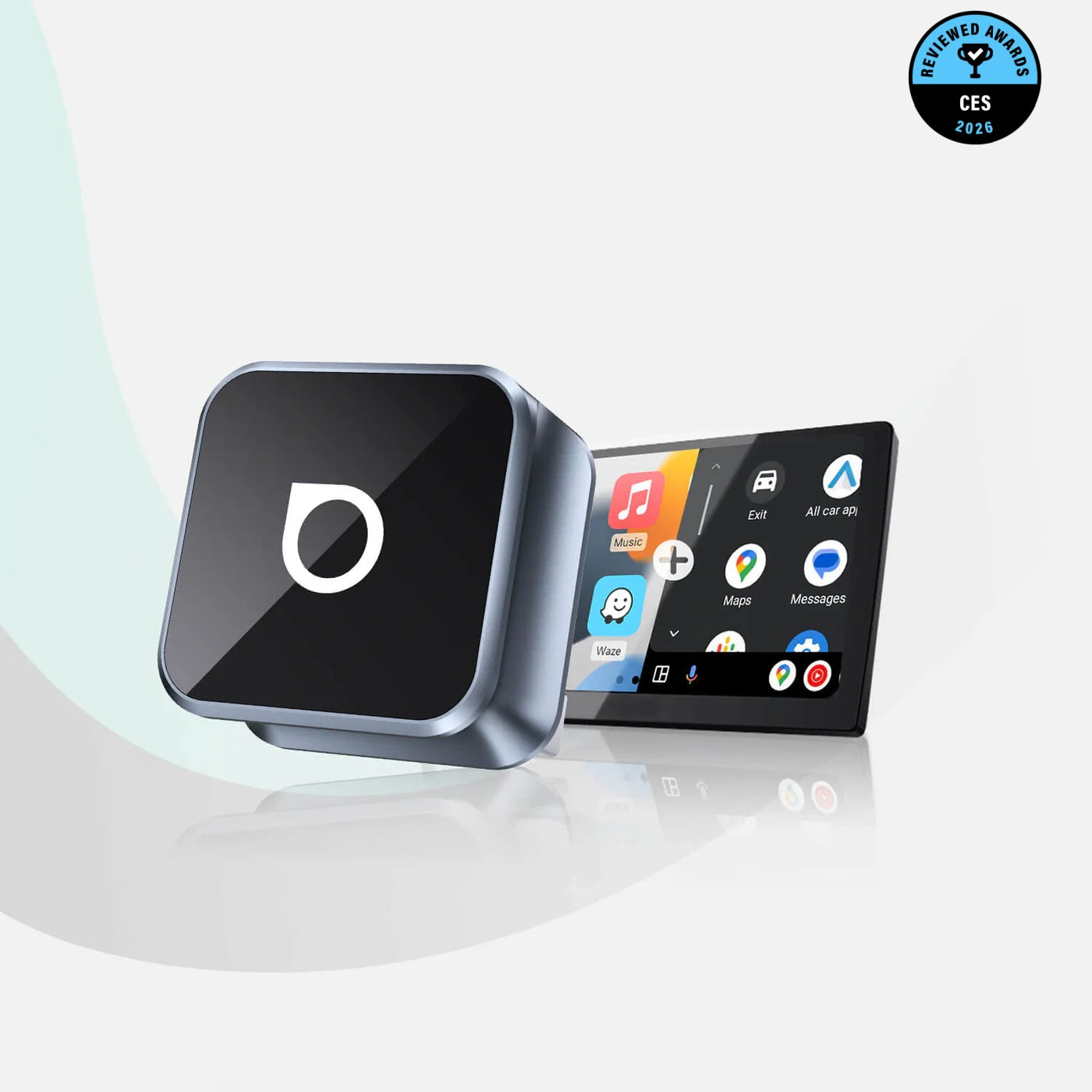
Modern adapters – such as the Ottocast Mini Cube – use highly efficient chipsets that speed up pairing and ensure automatic reconnection. This means you don't have to plug in or re-pair your iPhone every time. The fast connection gives you the confidence that the system will work reliably in everyday use as soon as you start the engine.

Step 2: Stability and signal strength test for wireless CarPlay adapters
After connection speed, signal stability is the second most important feature of a high-quality wireless CarPlay adapter. A stable connection ensures that navigation, music playback, and voice control function smoothly – without sudden connection drops.
To test this, a 15- to 20-minute test drive using apps like Spotify or Apple Maps is recommended. Pay attention to any audio problems, delays in route guidance, or screen freezing. A good adapter should also work reliably in environments with minor interference. Place your iPhone in different locations in the car—for example, on the dashboard, in your pocket, or on the center armrest—to ensure that the signal range remains stable.
A high-performance wireless CarPlay adapter uses dual-band Wi-Fi (2.4 GHz and 5 GHz) to ensure a stable connection. Ideally, the device automatically switches to the less congested channel, preventing connection interruptions. However, if the connection frequently drops, this could indicate poor antenna quality or outdated firmware.
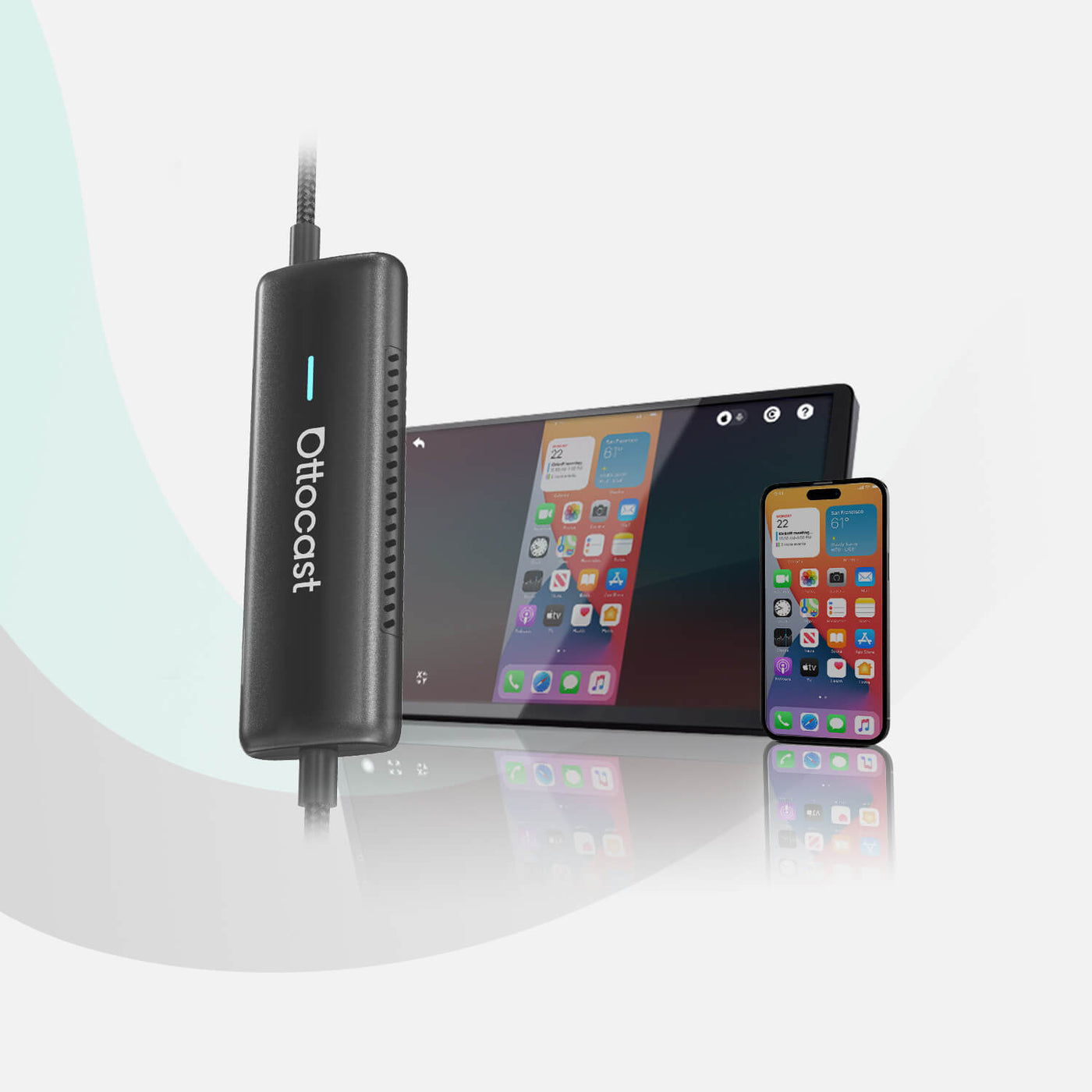
Some models – such as the Ottocast Mirror Touch – feature improved radio modules and a new antenna design that significantly reduces connection losses. This stability test allows you to verify the adapter's actual performance in everyday use – both in city traffic and on longer motorway journeys.
Step 3: Audio and video latency test for wireless CarPlay adapters
Audio and video latency is a crucial factor in an adapter's performance. When playing music or using the navigation map, sound and image should respond instantly to your input. A latency test ensures that your wireless CarPlay adapter transmits data quickly enough to provide a lag-free experience.
Start a song or video via CarPlay and pay attention to how quickly the sound starts after pressing the play button or skipping a track. A delay of more than half a second already indicates noticeable latency. This is also easily recognizable with navigation: if the voice prompts are not synchronized with the map or the driving movements, there is also a delay.
For a more precise measurement, you can use a stopwatch to compare the response time between your smartphone and the car's display. Ideally, the delay should be less than 0.3 seconds to ensure a near-wired user experience.
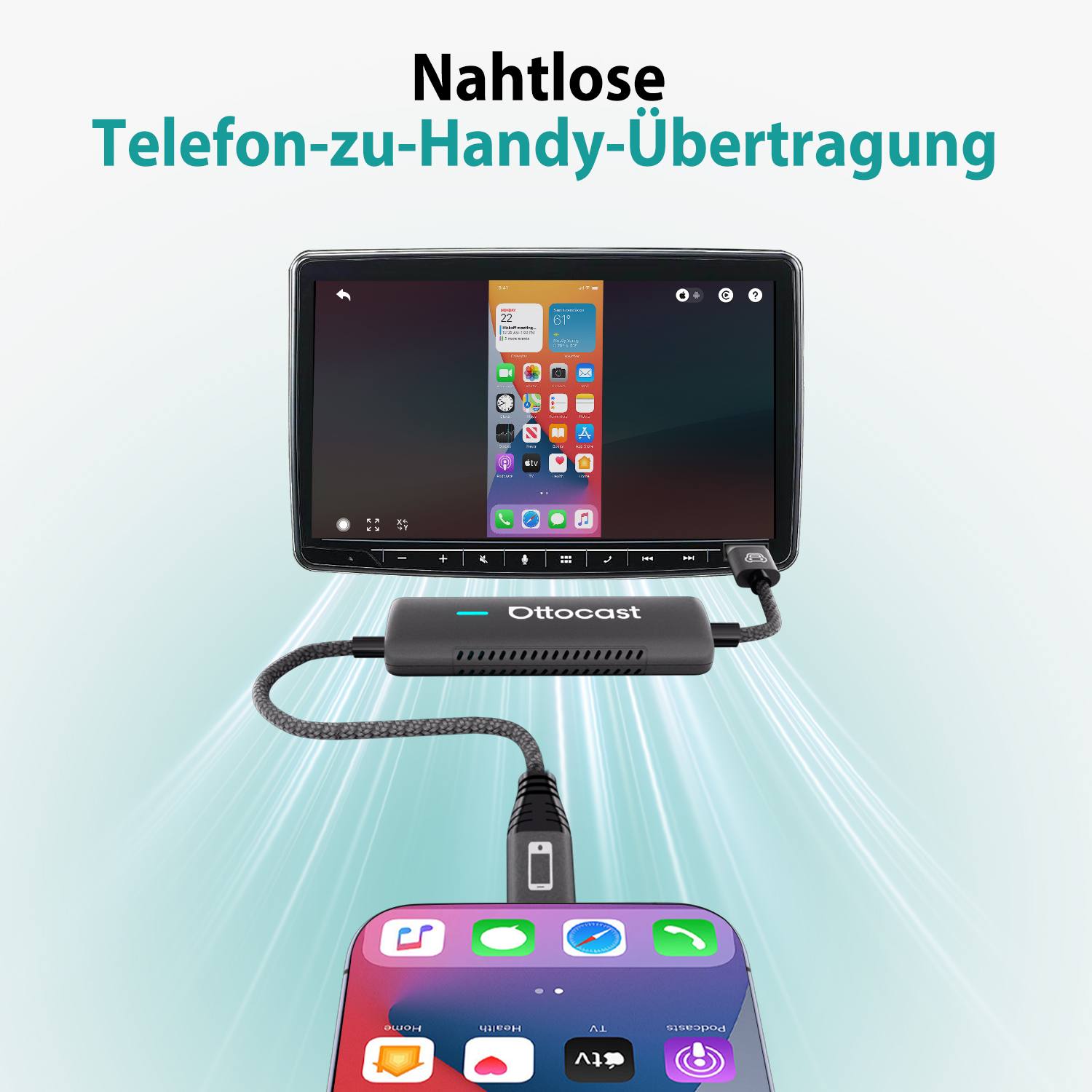
Some adapters – like the Ottocast Mini – reduce latency using advanced compression and transmission technologies. This keeps audio and video perfectly synchronized, even when multitasking between different apps. Instant response from navigation and entertainment ensures a more enjoyable and dynamic driving experience.

Step 5: Firmware and software update test for wireless CarPlay adapters
The final important test step involves updating your wireless CarPlay adapter. Regular firmware updates fix bugs, improve stability, and ensure the device remains compatible with the latest iOS versions. This test also demonstrates the product's reliability and future-proofing.
Start on the brand's official website or in the accompanying app your adapter is connected to. Look for the Firmware Update or OTA (Over-the-Air) Update option. Note how easy the update process is – does it happen automatically or does it need to be started manually?
During the update, check whether the adapter remains stably connected or restarts without any issues. With high-quality adapters, the process only takes a few minutes and runs without interruption. However, if the update seems complicated or aborts midway through, this could indicate future usability problems.
Models like the Ottocast Mini Cube and the Ottocast Mini enable particularly fast updates and automatically adapt to new iOS versions. This consistent support through firmware updates also demonstrates the brand's commitment to its products.
An adapter that is regularly updated remains secure, efficient and technologically up-to-date – providing you with a consistently stable and modern driving experience.

Bonus: New features you can consider
In addition to the five main tests, there are some other features that can make your wireless CarPlay adapter even more convenient and versatile:
- Dual Bluetooth channel: Enables quick switching between different smartphones – ideal when several people use the same vehicle.
- USB passthrough: Useful if you ever need to use a wired connection.
- Automatic pairing: After the initial pairing, your smartphone will connect automatically in the future – without any need for reconfiguration.
- Compact design: A small, inconspicuous housing can be easily hidden in the vehicle, ensuring a tidy appearance.
With these additional features and the tests carried out, you will find that small details make all the difference – they help to make your daily journeys even easier, more comfortable and more enjoyable.
Why it is important to perform these tests yourself
These five tests will give you the confidence you need before you finally decide on a wireless CarPlay adapter. You'll learn how quickly the device connects, how stable the signal is, and how smoothly the audio and navigation work.
By reproducing these tests yourself, you not only check performance but also ensure safety and comfort. Clear audio transmission, precise navigation, and a stable connection help you concentrate fully on driving – without distractions from technical malfunctions.
Furthermore, this testing method allows you to distinguish between cheap no-name adapters and reliable branded products – such as the Ottocast Mirror Touch or the Ottocast Mini Cube, both of which are known for their high performance stability and modern technology.
With this knowledge of how to properly conduct the tests, you can make an informed purchase decision that improves your driving experience day after day – through a connection you can truly rely on.
Troubleshooting common problems during testing
While performing the five tests, some typical problems may occur. These can usually be resolved quickly using the following steps:
-
Slow connection:
Restart both your iPhone and the adapter and check that the latest iOS version is installed. -
Audio dropouts:
Keep your smartphone as close to the adapter as possible and avoid interference from other active Bluetooth or Wi-Fi devices in the vicinity. -
Connection error or incompatibility:
Make sure your vehicle's firmware is up to date – some infotainment systems require minor updates to function optimally. -
Failed firmware updates:
Perform updates only with a stable Wi-Fi connection. Do not interrupt the process to avoid potential system errors.
A reliable wireless CarPlay adapter should pass all tests without frequent restarts or connection drops. Only then can you enjoy a stable, comfortable, and trouble-free driving experience in the long term.
How to get the most out of your wireless CarPlay adapter
To ensure your wireless CarPlay adapter provides a stable connection every day , you should follow a few practical tips:
-
Regular firmware updates:
Keep your adapter up to date to ensure stability, compatibility, and new features. -
Avoid sources of interference:
Do not place any metallic objects near the adapter, as these may interfere with the radio signal. -
Use a high-quality USB cable:
If your adapter is connected via a cable, use a short, high-quality USB cable to avoid signal loss. -
Restart the infotainment system regularly:
An occasional system restart helps to ensure a clean connection and avoid pairing problems.
By following these simple habits, you can enjoy stable, fast and reliable performance from your wireless CarPlay adapter for many years to come.
Concluding remarks
By checking your wireless CarPlay adapter using these five test methods, you can ensure you enjoy stable, fast, and smooth performance every day. Each step—from the connection test to the firmware update—helps you experience true quality and reliability in everyday use.
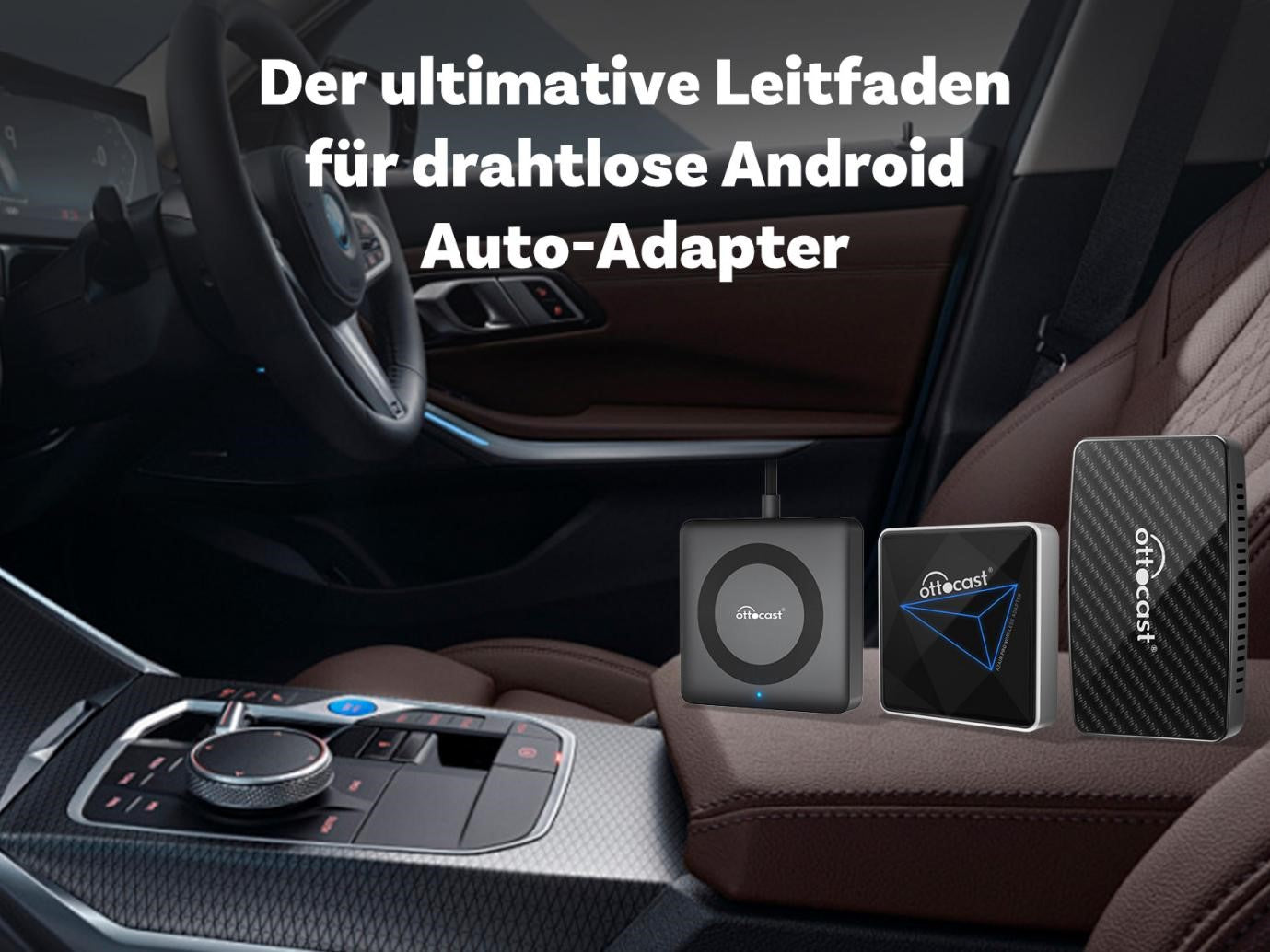
At Ottocast, we develop wireless CarPlay adapters such as the Mini Cube, the Mirror Touch and the Ottocast Mini, which impress with higher connection stability and intelligent compatibility – perfect for modern drivers.
Experience the latest generation of wireless adapters now and enjoy a quieter ride, better sound and effortless connectivity.
Now is the right moment to switch to intelligent, wireless driving.
FAQs
1. How do I find out if my car is compatible with wireless CarPlay?
Most adapters list compatible car models on the packaging or on the manufacturer's website. Check your vehicle's infotainment system version. You can also easily test it: plug in the adapter – if CarPlay appears after setup, your system is compatible.
2. Why does connecting to a wireless CarPlay adapter sometimes take so long?
A weak Wi-Fi connection or outdated firmware are among the most common causes of lag. Keep your smartphone close to the adapter and perform regular firmware updates to reduce latency and improve performance.
3. Is my wireless CarPlay adapter compatible with multiple iPhones?
Yes, most adapters can be used with multiple iPhones. However, be sure to disconnect the previous device before pairing a new one – this will prevent connection problems.
4. How often should I update my wireless CarPlay adapter?
Check for updates every few months. Brands like Ottocast regularly release firmware updates to fix bugs, improve stability, and ensure full compatibility with the latest iOS versions.
5. What is the difference between inexpensive and high-quality wireless CarPlay adapters?
Premium adapters offer faster data transfer, more powerful chipsets, and a more stable connection. They deliver smoother videos, a stronger signal, and reliable performance – even on long journeys.

Product recommendations